


Peoria Bicycle Accident Lawyer & Injury Attorney Near You
Cyclists have every legal right to be on the road, but none of the physical protection that drivers take for granted. When a car door opens into a bike lane, a truck makes a right turn without checking its mirror, or a driver blows through a stop sign on a residential street, the cyclist absorbs the full impact. A human being on a 20-pound bicycle has almost no defense against a 4,000-pound vehicle. The injuries are rarely minor.
Robert Parker leads Parker & Parker Attorneys at Law, a Peoria personal-injury practice founded by his now-retired father, Drew Parker. Parker & Parker handles its cases as a firm, with Robert Parker leading the legal work. We represent injured cyclists and their families across Peoria and Central Illinois. We handle serious personal injury cases, including bicycle crashes, car accidents, pedestrian accidents, and wrongful death claims. Consultations are free, and there is no fee unless we win.
The short version: Under Illinois law (625 ILCS 5/11-1502), bicycles are vehicles. Cyclists have the same rights as motorists. Drivers must give at least 3 feet of clearance when passing (625 ILCS 5/11-703). Even if you were partly at fault, riding without lights, for example, you can still recover damages under Illinois comparative fault law as long as your fault does not exceed 50%. Insurance companies routinely blame the cyclist. We build the case that proves otherwise.
Free consultation. No fee unless we win. If you were hit while riding, we can help protect your claim and pursue full compensation.
Call 309-673-0069 Text 309-673-0069 Schedule a consultation
in Central Illinois
serving local families
talk with an attorney
unless we win
Step inside Parker & Parker, where the lobby tells the story of decades of legal work.
Featured Bicycle Accident Guides (Start Here)
These are the most relevant bicycle-specific guides from our blog. They cover the issues that most often decide outcomes in bicycle cases: intersection liability, hit-and-run recovery, Illinois bike laws, road hazards, and insurance coverage for cyclists.
Bicycle Accident Claims in Illinois: A Complete Guide
A full overview of how bicycle injury claims work in Illinois, from the crash scene to settlement or trial.
Bicycle Accidents at Intersections: Who Is Liable?
Intersection crashes are the most common bicycle collision pattern. Here is how liability works.
Hit-and-Run Bicycle Accidents in Illinois
What to do when the driver flees, and how your own insurance may still cover your injuries.
Illinois Bicycle Laws and Driver Liability After a Crash
The specific statutes that protect cyclists, and what they mean for your injury claim.
Bicycle Accidents Caused by Road Hazards and Potholes
When a pothole, debris, or poor road condition causes a crash, who is liable, and what proof do you need?
UM/UIM Coverage for Bicycle Accidents
Your auto insurance can cover you even when you are on a bike, here is how UM/UIM applies to cyclists.
What Should I Do After a Bicycle Accident in Peoria?
After a bicycle accident, your first priority is your health. Even if you feel like you can stand up and ride home, get medical attention. Then protect the evidence that will support your claim.
- Stay at the scene and call 911. You need a police report. You may also have injuries you cannot feel yet, adrenaline masks pain from fractures, concussions, and internal injuries.
- Get medical evaluation. Go to the ER or urgent care, even if you think you are okay. Head injuries and internal bleeding can present delayed symptoms that become dangerous hours later.
- Get the driver’s information. License plate, insurance, name, and phone number. If the driver left, write down everything you remember, vehicle description, direction of travel, any partial plate numbers.
- Photograph everything. The intersection, your bike, the vehicle, your injuries, road conditions, traffic signals, and any debris. Use your phone’s timestamp feature.
- Get witness information. Bystanders who saw the crash are critical. Ask anyone who witnessed it for their name and phone number.
- Preserve your bike and gear. Do not repair or discard your helmet, bicycle, clothing, or accessories. They are evidence. The damage pattern on your helmet can establish impact force. The damage to your bike can establish the point of contact.
- Do not negotiate with the driver’s insurance directly. Adjusters are trained to minimize bicycle claims. Anything you say in a recorded statement can be used against you.
- Contact a bicycle accident lawyer. Early investigation preserves surveillance footage, traffic camera data, and other time-sensitive evidence that may be overwritten or lost within days.
How Bicycle Accidents Happen in Peoria
Central Illinois presents specific hazards for cyclists. Peoria’s road network was built for cars, not bikes. Dedicated cycling infrastructure is limited, and many roads that cyclists rely on, War Memorial Drive, Knoxville Avenue, University Street, Sterling Avenue, carry fast-moving traffic with narrow or nonexistent shoulders.
Right-hook collisions
A vehicle turns right at an intersection directly across the cyclist’s path. The driver either failed to check for cyclists in the bike lane or misjudged the cyclist’s speed. This is one of the most common and most preventable collision patterns. Evidence that matters: the cyclist’s lane position, the driver’s turn signal use, and any witness or camera footage showing the sequence.
Dooring accidents
A parked driver or passenger opens their door directly into the path of an oncoming cyclist. The cyclist has no time to react. The impact can throw the rider into traffic, causing secondary injuries. Under Illinois law, the person opening the door bears responsibility for checking before opening. See: Dooring accidents (below).
Left-cross accidents
An oncoming vehicle turns left in front of a cyclist who has the right of way. Like left-turn motorcycle crashes, this pattern occurs because the driver misjudges the cyclist’s speed or simply does not see the cyclist. Signal phases, intersection layout, and witness testimony are key evidence.
Rear-end strikes
A driver fails to see or misjudges the speed of a cyclist ahead and strikes the rider from behind. Even lower-speed rear-end impacts can cause serious injuries, a cyclist who is knocked from the bike may suffer head, spine, and extremity injuries from the secondary impact with the pavement.
Intersection failures
Drivers running stop signs or red lights and hitting cyclists who have the right of way. These are among the most clear-cut liability cases. Police report citations, traffic camera data, and witness statements often establish liability quickly. See: Bicycle Accidents at Intersections.
Road hazard crashes
Potholes, gravel, debris, uneven pavement, and construction zones can cause a cyclist to lose control. Depending on the hazard, liability may fall on the municipality, a property owner, or a contractor. These cases require fast documentation, the hazard may be repaired or conditions may change before evidence can be preserved. See: Road Hazards and Potholes.
Hit-and-run incidents
When a driver strikes a cyclist and flees, the victim faces both medical and legal challenges. Recovery may come through the victim’s own UM coverage. See: Hit-and-run bicycle accidents (below).
Common Bicycle Accident Injuries and Medical Proof
A bicycle helmet helps, but it does not protect your spine, your ribs, your pelvis, or your limbs. The injuries in bicycle accident cases reflect the reality that an unprotected human body has almost no defense against a multi-ton vehicle.
Traumatic brain injuries
Even with a helmet, the rotational forces of a collision cause concussions and more severe brain injuries. Symptoms may include cognitive fog, headaches, dizziness, memory problems, personality changes, and sleep disruption. Early symptom reporting and consistent follow-up matter. See: Brain & Spinal Cord Injury Attorney.
Broken bones: collarbone, wrist, arm, and pelvis
Collarbones and wrists are the most commonly fractured bones in bicycle crashes, the rider instinctively extends their arms to break the fall. Pelvic fractures from direct vehicle impact are more severe and often require surgical repair. Range-of-motion loss and chronic pain can persist long after the bones heal.
Spinal cord injuries and herniated discs
The forces of a bicycle crash can cause vertebral fractures, herniated discs, and spinal cord compression. In the most severe cases, spinal cord damage results in partial or complete paralysis, injuries that require lifelong care and carry the highest case values.
Facial fractures and dental injuries
A cyclist thrown over the handlebars or struck from behind may land face-first on the pavement. Orbital fractures, jaw fractures, broken teeth, and facial lacerations are common. Reconstructive surgery, dental implants, and scar revision may be needed, all recoverable as damages.
Road rash and scarring
Sliding across pavement strips away skin. Severe road rash (deep abrasions) may require debridement, skin grafts, and wound care. Long-term scarring and disfigurement are compensable. Photographs, wound-care records, and plastic surgery consultations document these injuries.
Internal organ damage
Handlebar impact to the abdomen can damage the spleen, liver, and kidneys. Blunt-force trauma from the vehicle or the ground can cause internal bleeding that is not immediately obvious. Emergency medical evaluation is critical.
Knee, hip, and shoulder injuries
Joint injuries from bicycle crashes can be career-ending for competitive or recreational cyclists. Torn ligaments, dislocated shoulders, and cartilage damage may require surgery and months of rehabilitation, and may never fully heal.
Illinois Bicycle Law: Your Rights on the Road
Illinois law provides specific protections for cyclists. Understanding these statutes is the foundation of every bicycle accident claim.
Bicycles are vehicles: 625 ILCS 5/11-1502
Under Illinois law, bicycles are vehicles. Cyclists have the same rights and responsibilities as motorists. That means a cyclist has the legal right to occupy a traffic lane, travel through intersections, and use public roads, and drivers must respect those rights.
Three-foot passing rule: 625 ILCS 5/11-703
Drivers must give cyclists at least three feet of clearance when passing. Passing closer than three feet is a violation of Illinois law. If a driver clips a cyclist while passing too closely, that statutory violation is strong evidence of negligence.
Full lane use
Cyclists may use the full lane when the lane is too narrow to share safely. Drivers cannot honk aggressively, swerve toward, or intentionally crowd a cyclist. Harassment of cyclists is itself a violation.
Cyclist obligations
Cyclists must obey traffic signals and stop signs, ride in the same direction as traffic, and use a front light and rear reflector when riding at night (625 ILCS 5/11-1507). Failure to follow these rules does not automatically bar a claim, but it may be used to argue comparative fault. Under Illinois Civil Jury Instructions, contributory negligence elements for cyclists include failure to keep a proper lookout for other vehicles, failure to apply brakes to avoid collision, driving a bicycle at excessive or unreasonable speed, and riding too close to parked cars along the roadway.
Statute of limitations
Most personal injury claims in Illinois must be filed within two years (735 ILCS 5/13-202). Cases involving government entities (road defects, municipal negligence) may have shorter notice deadlines. Evidence disappears much faster, act early.
Comparative Fault in Bicycle Cases
Illinois follows modified comparative negligence (735 ILCS 5/2-1116). You can recover damages as long as your fault does not exceed 50%. Your damages are reduced by your percentage of fault.
Insurance companies routinely try to blame cyclists. Common arguments: riding without a light at dusk, failing to signal a turn, running a stop sign, riding on the sidewalk, or not wearing a helmet. These arguments can reduce the value of a claim, but they rarely eliminate it.
The key is building evidence that anchors liability to the driver’s conduct: failure to yield, failure to maintain safe clearance, failure to keep a proper lookout, excessive speed, distraction, or impairment. A cyclist who made a minor error does not forfeit the right to compensation when a driver’s negligence was the primary cause of the crash.
The Insurance Claims Process in Bicycle Cases
After a bicycle accident, you will typically deal with the at-fault driver’s auto insurance. But there are additional coverage sources that many cyclists do not know about.
The driver’s liability insurance
The claim is filed against the driver’s auto liability policy. The insurer assigns an adjuster who will investigate liability, review medical records, and eventually make a settlement offer, almost always lower than the claim’s true value.
UM/UIM coverage for cyclists
If you carry uninsured/underinsured motorist coverage on your own auto policy, that coverage can protect you even when you are injured while riding a bicycle. If the driver has no insurance, insufficient limits, or flees the scene, your UM/UIM policy steps in. This is one of the most valuable and most overlooked coverages for cyclists. See: UM/UIM for Bicycle Accidents and our UM/UIM hub.
Medical payments coverage (MedPay)
Your auto policy may include MedPay, which covers medical bills regardless of fault, even when you are on a bike. MedPay can help cover immediate treatment costs while the liability claim is pending.
Homeowner’s insurance (road hazard cases)
If a property owner’s negligence caused the crash, a tree branch blocking a bike path, a sprinkler flooding the road, construction debris, the property owner’s homeowner’s or commercial insurance may be liable.
How Insurance Companies Reduce Bicycle Claims
Insurance companies have a specific playbook for bicycle cases. Knowing these tactics helps you avoid the traps.
- Blaming the cyclist. “You weren’t wearing a helmet.” “You ran a stop sign.” “You were riding on the sidewalk.” These arguments are designed to shift fault percentages and reduce recovery. A helmet is not required by law for adults in Illinois, and the question of fault is always about what caused the crash, not what the cyclist was wearing.
- Minimizing injuries because “it was just a bike.” Adjusters sometimes treat bicycle crashes as less serious than car crashes, despite the fact that the absence of protection makes injuries worse, not better.
- Requesting recorded statements early. Before you understand the full extent of your injuries, the adjuster asks you to describe what happened. Anything you say becomes ammunition for reducing the claim.
- Arguing preexisting conditions. “Your back problems were already there.” “That shoulder injury predates the crash.” Even when the crash clearly aggravated a preexisting condition, insurers use this argument to discount medical expenses.
- Offering a quick, low settlement. The first offer often comes before treatment is complete. Accepting it means you waive future claims, even if your injuries turn out worse than expected.
- Delaying the process. Delay costs you money (mounting bills, lost wages) and increases pressure to accept a low offer.
Injured while cycling in Peoria? We can help preserve evidence and pursue full compensation.
Call 309-673-0069 Text 309-673-0069 Schedule a consultation
What Affects the Value of a Bicycle Accident Case?
Bicycle accident cases often carry significant value because the injuries are severe. The factors that drive case value:
- Injury severity and permanence. Traumatic brain injuries, spinal cord damage, and multiple fractures command higher values. Permanent impairment, loss of mobility, chronic pain, cognitive deficits, inability to ride again, increases the claim further.
- Medical expenses and future care. All costs are recoverable: emergency treatment, surgeries, rehabilitation, therapy, medications, adaptive equipment, and projected future care needs.
- Lost wages and reduced earning capacity. Time missed from work, reduced hours during recovery, and permanent inability to perform your job are all part of the claim.
- Pain and suffering. Physical pain, emotional distress, loss of enjoyment of life, and disruption to daily activities. For avid cyclists, the loss of the ability to ride is a real and compensable harm.
- Property damage. Your bicycle, cycling equipment, helmet, and personal items are recoverable. High-end bicycles can represent significant value.
- Strength of liability evidence. Clear evidence of driver negligence (running a light, texting, DUI, passing too close) strengthens the claim. Disputed liability weakens it.
- Available insurance coverage. The driver’s policy limits, your UM/UIM coverage, and any applicable property owner’s policy all factor into the recovery calculation.
Medical Bills, Liens, and Who Pays
Bicycle crash injuries generate substantial medical bills. Understanding the payment and reimbursement structure matters.
Health insurance and subrogation
Your health insurer covers treatment but may assert a subrogation lien, a right to be reimbursed from your settlement. Lien negotiation is a critical step in maximizing your net recovery.
MedPay
Your auto policy’s medical payments coverage can pay medical bills regardless of fault, even when you were on a bicycle. This provides immediate relief while the liability claim is pending.
Letters of protection
When up-front payment is a barrier to getting treatment, your attorney can arrange for providers to treat you under a letter of protection, meaning the provider waits for payment from the settlement.
Lien reduction
The difference between your gross settlement and your net recovery often comes down to how effectively your attorney negotiates subrogation liens from health insurers, Medicare, and Medicaid. This is a technical skill that directly affects your take-home amount.
Evidence Checklist for Bicycle Accident Cases
Time-sensitive evidence is often the difference between a strong case and a weak one. Surveillance footage gets overwritten within days. Witnesses forget. Road conditions change. Preserve everything immediately.
- Police report. The official crash report with the officer’s narrative, citations, diagrams, and witness names.
- Photographs and video. Scene photos showing the intersection, bike lane markings, traffic signals, vehicle damage, your bike damage, your helmet damage, your injuries, and road conditions. Post-accident photographs of the bicycle and vehicle are relevant to damages and show the force of impact, which helps determine the nature and extent of injuries.
- Surveillance and dashcam footage. Nearby businesses, traffic cameras, and the at-fault driver’s dashcam may have captured the crash. This evidence must be requested immediately before it is overwritten.
- Witness statements. Independent eyewitnesses are often the strongest evidence in disputed liability cases.
- Your bicycle and gear. Do not repair, discard, or clean your bike, helmet, clothing, or accessories. Damage patterns can establish point of impact, force, and crash dynamics.
- Medical records. All treatment from the crash date forward, ER, imaging, surgery, therapy, prescriptions, follow-up visits. No gaps.
- Driver’s cell phone records. If distraction is suspected, phone records can prove calls, texts, or app use at the time of the crash.
- Vehicle event data recorder (EDR). The at-fault vehicle’s “black box” may record speed, braking, and steering data. This must be preserved before the vehicle is repaired.
Timeline: Steps in a Bicycle Injury Lawsuit
- Medical treatment and documentation (ongoing). Consistent treatment and clear documentation of injuries, limitations, and recovery progress.
- Investigation and evidence preservation. Gathering police reports, footage, witness statements, medical records, and physical evidence.
- Demand letter. Once the medical picture is clear, a detailed demand is sent to the insurer presenting liability, injuries, and damages.
- Negotiation. Back-and-forth with the insurer. Most cases settle during this phase when the insurer makes a reasonable offer.
- Lawsuit filing. If the insurer will not pay fair value, a lawsuit is filed. Discovery, depositions, and expert reports follow.
- Mediation or trial. Many cases resolve at mediation. If not, a jury decides liability and damages.
Settlement vs. Trial: What to Expect
Why most bicycle cases settle
Settlement avoids the uncertainty and expense of trial. When liability is clear and injuries are well-documented, insurers have an incentive to resolve the case rather than risk a larger jury verdict. A thorough demand backed by strong evidence is what drives good outcomes.
When trial becomes necessary
Trial may be necessary when the insurer disputes liability, blames the cyclist, or refuses to offer fair value. Bicycle cases can be compelling at trial, juries understand the vulnerability of a cyclist and the severity of injuries. If the insurer knows your attorney is prepared to try the case, that alone improves settlement posture.
Dooring Accidents
A dooring accident occurs when a parked driver or passenger opens their vehicle door directly into the path of an oncoming cyclist. The cyclist hits the door, is thrown from the bike, or swerves into traffic to avoid the door, resulting in secondary impact with another vehicle or the pavement.
Under Illinois law (625 ILCS 5/11-1407), no person shall open the door of a vehicle on the side available to moving traffic unless it can be done safely. The person who opens the door is liable. Dooring crashes tend to cause sudden, violent injuries, the cyclist has almost no reaction time.
Proving a dooring case requires documenting the location of the parked vehicle, the direction of the cyclist, the position of the door, and the resulting injuries. Witness statements and nearby surveillance footage are often critical.
Road Hazards and Poor Road Conditions
Small hazards that a car might drive over without noticing can be catastrophic for a cyclist. Potholes, gravel, leaves, uneven pavement, construction debris, sewer grates with slots running parallel to the direction of travel, and railroad crossings all create crash risks.
When a road hazard causes a bicycle crash, liability may fall on the municipality responsible for road maintenance, the contractor who created the hazard, or the property owner whose negligence caused the condition. These cases often involve the Illinois Local Governmental and Governmental Employees Tort Immunity Act (745 ILCS 10), which imposes notice requirements and shorter deadlines.
Evidence preservation is critical: photograph the hazard immediately, report it to the relevant authority, and document any prior complaints or repair requests that show the entity knew about the problem. See: Road Hazards and Potholes.
Hit-and-Run Bicycle Accidents
When a driver hits a cyclist and flees, the victim faces the same legal framework as pedestrian hit-and-run cases. Illinois law (625 ILCS 5/11-401) requires drivers to stop after any crash involving injury. Leaving the scene is a criminal offense.
The victim’s primary source of recovery is often their own uninsured motorist (UM) coverage. UM applies when the at-fault driver is unidentified or uninsured, and it covers you even when you were on a bicycle. Surveillance cameras, traffic cameras, and witness descriptions may help identify the vehicle, but even if the driver is never found, UM coverage can provide recovery.
See: Hit-and-Run Bicycle Accidents in Illinois.
When a Bicycle Accident Is Fatal
When a bicycle crash causes death, the family may bring a wrongful death action under the Illinois Wrongful Death Act (740 ILCS 180) and a survival action for the harm suffered before death. Wrongful death damages may include loss of financial support, loss of companionship, grief, and funeral expenses.
Fatal bicycle crashes often receive significant public attention. But attention alone does not produce compensation. Building the wrongful death case requires the same disciplined evidence gathering and legal strategy as any serious injury claim, with the added emotional weight of representing a grieving family.
Related: Wrongful Death After a Pedestrian or Bicycle Fatality and our Wrongful Death Attorney hub.
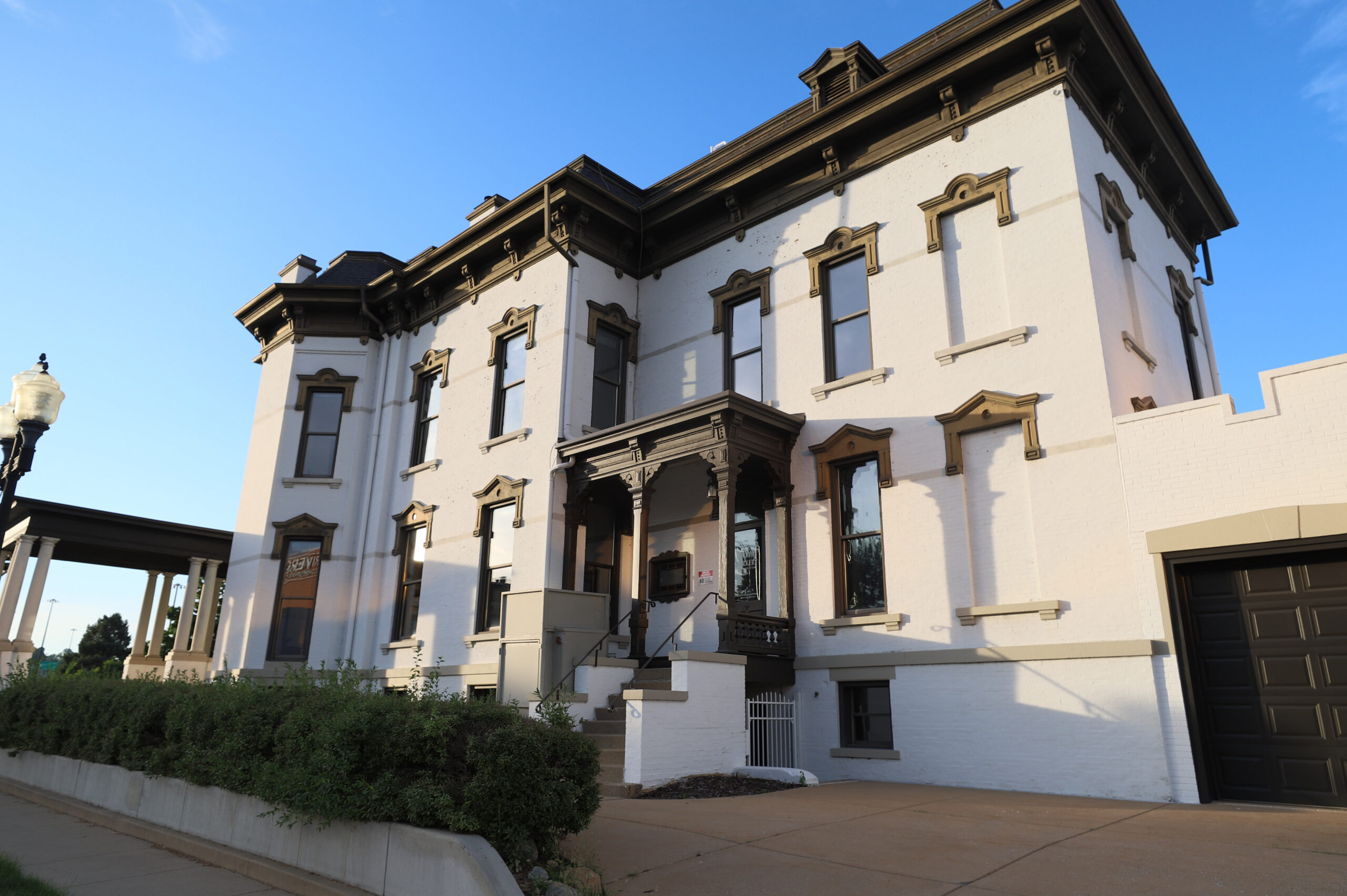
Parker & Parker Attorneys, serving Peoria and Central Illinois
Bicycle Accident FAQ
Should I go to the hospital after a bicycle accident?
Yes. Even if you feel okay, get evaluated. Adrenaline masks pain. Head injuries, internal bleeding, and fractures can have delayed symptoms. Early medical records also prevent insurers from claiming your injuries came from something else.
Do I have the right to ride on the road?
Yes. Under Illinois law, bicycles are vehicles. Cyclists have the same rights as motorists and may use any public road (except limited-access highways). Drivers who harass, crowd, or fail to yield to cyclists are violating the law.
What if the driver says they didn’t see me?
“I didn’t see the cyclist” is not a defense, it is an admission of negligence. Drivers have a legal duty to maintain a proper lookout. We prove liability with objective evidence: intersection layout, signal phases, impact points, and witness accounts.
Can I recover if I wasn’t wearing a helmet?
Illinois does not require adult cyclists to wear helmets. Not wearing a helmet is not negligence under Illinois law. The insurer may try to argue it contributed to head injuries, but the cause of the crash, the driver’s conduct, remains the central issue.
What if I ran a stop sign?
Running a stop sign may reduce your recovery under comparative fault, but it does not eliminate it if the driver was also negligent (failing to yield, passing too close, distracted). Illinois allows recovery as long as your fault is 50% or less.
What if the driver fled the scene?
Your own UM coverage can cover you even as a cyclist. File a police report immediately and preserve any evidence, surveillance footage, witness descriptions, vehicle debris. See: Hit-and-Run Bicycle Accidents.
Does my car insurance cover me while I’m on a bike?
Yes, in many cases. Your UM/UIM coverage and MedPay can apply even when you are on a bicycle. This is one of the most important and most overlooked coverage sources for injured cyclists.
Can I sue for a dooring accident?
Yes. Illinois law (625 ILCS 5/11-1407) makes it illegal to open a vehicle door into moving traffic unless it can be done safely. The person who opened the door is liable for your injuries.
What if a pothole or road hazard caused my crash?
The municipality or property owner may be liable. These cases have specific notice requirements and shorter deadlines, so act quickly. See: Road Hazards and Potholes.
How long do I have to file a claim?
Most injury claims must be filed within two years (735 ILCS 5/13-202). Claims against government entities may have shorter deadlines. But evidence, surveillance footage, witness memories, disappears much sooner. Early legal help matters.
What is my bicycle accident case worth?
Value depends on injury severity, medical expenses, lost income, pain and suffering, and liability evidence. Because cyclists have no protection, injuries tend to be severe and case values tend to be higher than typical car-on-car claims.
Will my case go to trial?
Most cases settle, but preparation for trial drives settlement value. We build every case as if it is going to trial. That is what makes insurers offer fair settlements.
Why Parker & Parker for Your Bicycle Accident Case
Parker & Parker Attorneys at Law is a Peoria-based personal-injury practice with deep central-Illinois roots. Drew Parker built the firm over more than four decades of trial work across Peoria, Tazewell, McLean, Knox, and surrounding counties. Drew is now retired. Robert Parker, who joined the firm in 2009 and worked alongside Drew for over a decade, leads the practice today, with Parker & Parker handling accepted cases as a firm.
We know these roads. We know which intersections are dangerous for cyclists. We know the insurance defense playbook that tries to blame the rider. And we know how to build cases that hold negligent drivers accountable.
We handle bicycle accident cases on a contingency fee basis, you pay nothing unless we recover compensation for you. We do not charge for the initial consultation. We take the time to understand your injuries, your treatment, and what this crash has cost you.
If you were hit while riding in Peoria, Tazewell, Woodford, or anywhere in the Tri-County area, call us.
Free initial consultation. No fee unless we win. Multiple ways to reach us:
Call 309-673-0069 Text 309-673-0069 Schedule a consultation
Want the broader injury overview? Visit our Peoria Personal Injury Lawyer page page for a master guide to injury claims, timelines, and what increases settlement value.
Related Personal Injury Resources
Many serious injury cases involve more than one legal issue. These related Parker & Parker resources may help you follow the evidence, coverage, and damages questions that often overlap.
Central Illinois Service Areas
Parker & Parker is based in Peoria and handles injury cases across central Illinois. See the firm’s personal injury service areas, including Bloomington-Normal and Pekin and Tazewell County.